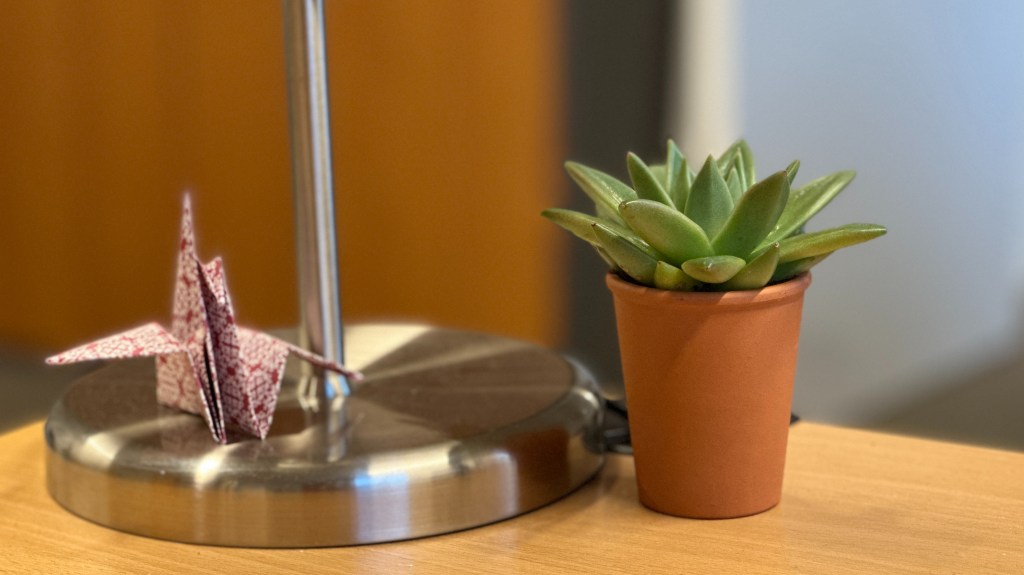
A small terracotta pot with a little cactus sits on my desk at work. It’s a signature gift from Clusity after their events. Clusity is a community of women in tech, founded in 2021 by Elke Kraemer and Rein Meirte. Through inspiring stories, events and career opportunities, they aim to ensure that more women enter, stay and advance in tech.
“We don’t know each other (yet). I co-founded Clusity, an inspiring network for women in tech…“, wrote Elke to me on LinkedIn, less than two years ago. Soon after, I attended one of their events and was pleasantly surprised at how refreshingly different it was from the many other networks I had joined in Brussels since 2010. Now I am honoured to be one of Clusity’s Women in Tech Ambassadors (2024-25), along with the amazing Nancy Agyemang, Andreia Azevedo Heringer, Veena Nawle, Nomvuyo Qubeka, Nersey Rastan and Vasilena Stoyanova.
To find out more, I spoke to the co-founders Elke and Rein about how they created such favourable climate conditions for their plants to grow ☀️.
🌱 Powering networks
Elke and Rein planted a seed while working together at the same company. They wanted to change their workplace where women in tech felt isolated in a male-dominated environment and where, as so often, women were mainly seen in marketing or HR. So they told the management that they wanted to do something about it. First, they interviewed more than 20 colleagues at different levels in various tech companies. There were two outstanding questions to which almost everyone gave the same answer. The first was that they got to where they were thanks to networks. Secondly, they underestimated the number of women who worked in the company and in its management. Based on these findings, Elke and Rein decided to create visibility by showcasing ‘Bloom Stories’: role models for women in tech. Next, they would work to ‘womanise’ the tech company’s networks so that women would actually feel comfortable applying for jobs there. This seed quickly grew from a network to the community that Clusity has become, three and a half years later.
Elke and Rein make a conscious effort to challenge their own similarity and confirmation biases, on which networks are usually based. We replicate our structures and create our networks based on people who are similar to us because we identify with those who share our culture and opinions, they explained. So they actively seek out diverse people to invite onstage at their events. It is striking how the representation onstage mirrors that in the audience, said Rein. For example, when one of the speakers on the panel wore a headscarf, they noticed that more women with headscarves also attended the event.
Some people come to Clusity’s events through friends or colleagues, some hear about it from the sponsoring companies, and others turn up thanks to Elke’s personal outreach via LinkedIn. It is easy to reach women, they make up 51% of our society. However, it is also important to actively reach out to under-represented groups, such as neurodivergent people, people of colour and those with a migration background, Rein said. Inclusion is a mindset, she continued: ‘We have now reached the threshold effect within our community, which makes it easier’. When you reach the threshold of 30% representation, you break biases, Rein explained. Now, people from different backgrounds simply show up at Clusity’s events. Rein added, this calculation is more tricky when it comes to non-binary people or different cultural backgrounds.
🪴 Facing barriers
When I asked about the glass ceiling specifically for women in tech, Elke replied that the problems are the same in most industries: There are too few women in leadership positions, and women face barriers, first with parenthood and work-life balance, and later in life with menopause. Companies and organisations aren’t made for women’s needs, and many in management positions, who experience burnout don’t go back, Elke concluded: ‘There’s a glass ceiling and a glass cliff‘.
Rein added that another barrier is language. Companies could be more flexible and give opportunities to students with technical degrees, even if they do not yet master one or more of Belgium’s official languages (Dutch, French and German). Language skills are important but students should have the chance to start their career and learn the language while working. In many companies the working language is English anyway, which could be enough to start with. Students cannot wait, they too need to earn money and pay their bills.
One observation Rein and Elke made was that there are less women studying ICT at the university than the ones working in the industry. This means that they are building their careers later in life. Either they did not know that this was what they wanted to do when they were 18, or they did not see it as an option. Again, it is the similarity bias, women do not see other women studying ICT at university.
🌳 Aiming for 47.000 more women in tech in Belgium by 2030
Clusity’s goal is to achieve the threshold effect in Belgium, which means an additional 47.000 women in tech by 2030. Today there are 53,000 women ICT specialists in Belgium (Eurostat). Clusity is now focusing on building the partnerships they will need to reach their goal. To scale up, they have launched a European Women in Tech initiative. Its aim is to bring together women in tech networks across Europe so that they can meet and learn from each other. Over time they want to create a pan-European association to reach policy-makers and mobilise sustainable funding to be able to do more.
In short, Clusity is growing into a solid tree. Next, we’re heading for the forest 😉. Join the community and stay up to date with the Clusity newsletter.
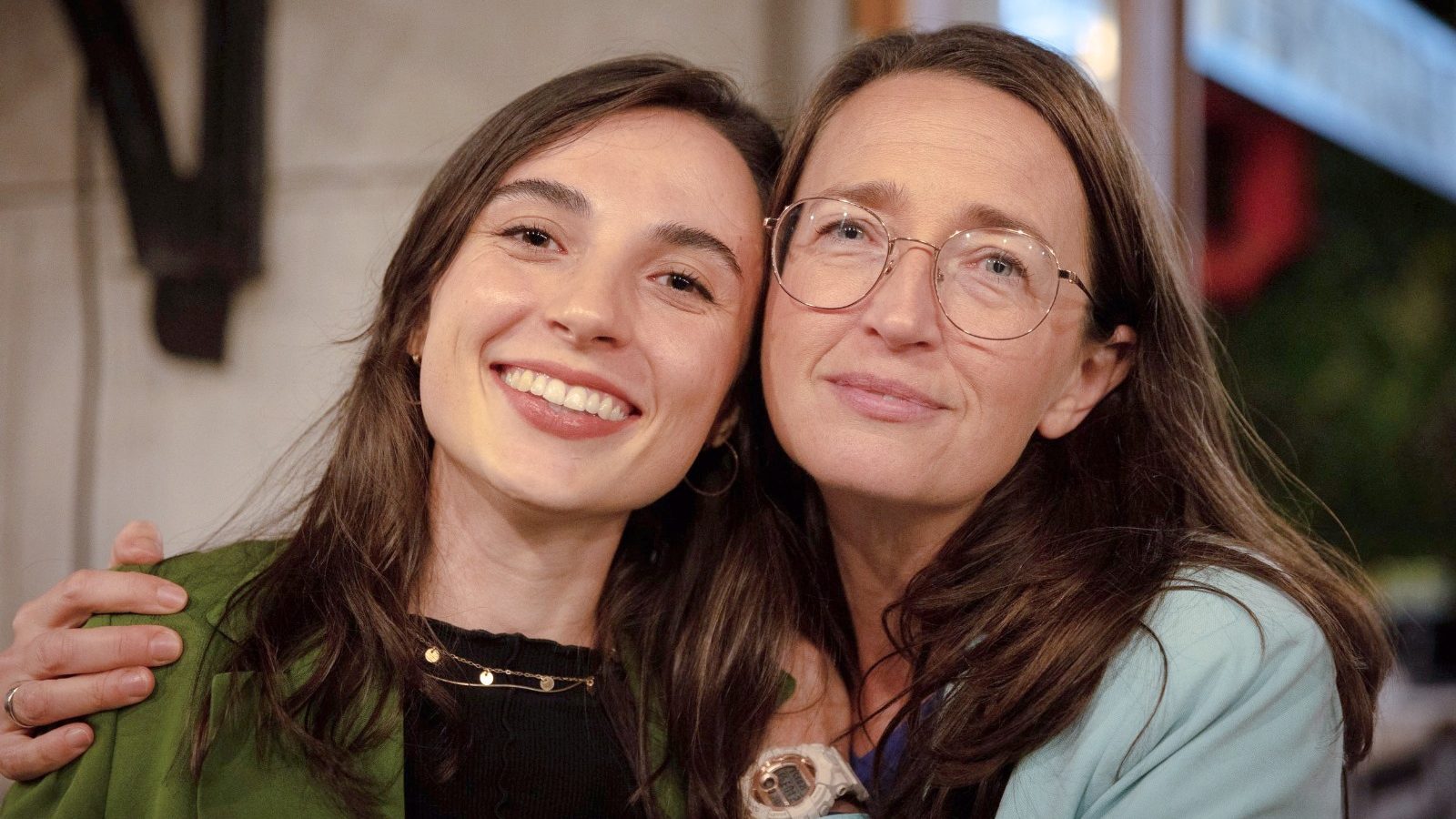
Photo: Elvic Fotografi, 2024
#WomenInTech Ambassador
 Annica Ryng
Leave a comment